OVERVIEW
Our Packaging Solutions and Products offering supports manufacturers seeking reliable, flexible, and integrated equipment for primary packaging, secondary packaging, and complete end-of-line operations.
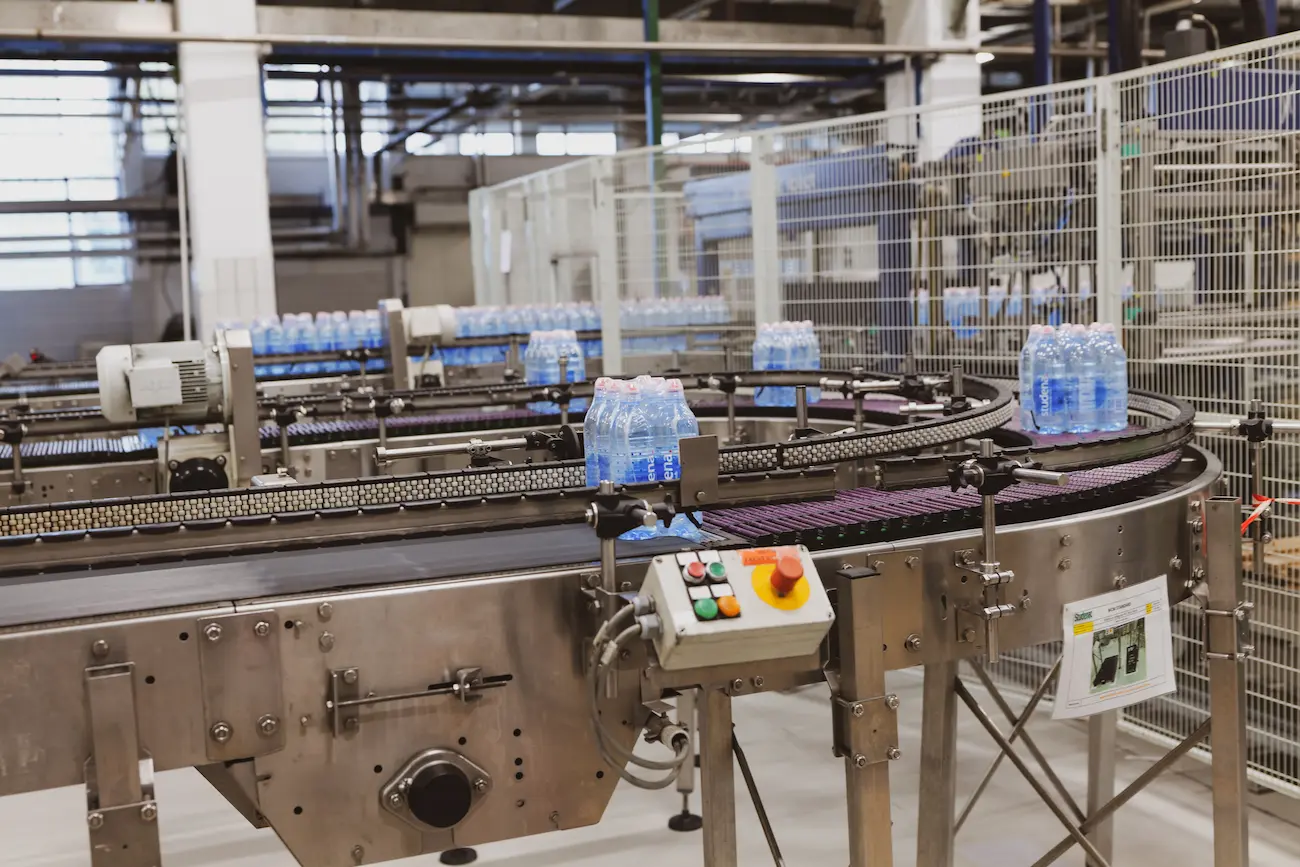
The solution can cover container feeding or forming, product dosing, filling, sealing, capping, labelling, coding, inspection, conveying, accumulation, wrapping, bundling, cartoning, case packing, palletizing, and final load preparation.
Packaging systems can be configured for bottles, jars, cans, cartons, bags, pouches, sachets, trays, boxes, cases, and other application-specific formats. Equipment selection is coordinated according to the product characteristics, packaging material, container dimensions, closure type, required output, operating environment, and final distribution requirements.
Filling and dosing equipment can be selected for liquids, viscous products, powders, granules, and solid products. The appropriate configuration depends on the required filling accuracy, product flow properties, container type, hygiene level, production speed, and cleaning requirements.
Secondary packaging options can include shrink wrapping, film wrapping, bundling, sleeve application, carton forming, product loading, carton closing, and labelling. End-of-line configurations can include case erection, case packing, case sealing, palletizing, depalletizing, stretch wrapping, conveyors, and accumulation systems.
Inspection options can be coordinated to verify product presence, package position, filling condition, closure application, label placement, printed codes, and packaging integrity. Non-compliant packages can be identified and removed through an integrated rejection system where required.
Automation options can include PLC-based machine control, HMI operation, synchronized line speeds, equipment interlocks, alarm management, production monitoring, format settings, and coordinated communication between individual machines.
The packaging line can be supplied as a standalone machine, a modular equipment section, or a fully integrated system. This allows customers to begin with a focused packaging requirement and expand the line as production volume or packaging formats develop.
Each project is configured according to the product, packaging format, target capacity, available floor space, utility conditions, hygiene requirements, automation level, operator access, maintenance strategy, and future expansion plans.
Project support may include requirement analysis, package and equipment evaluation, line-layout planning, supplier coordination, technical documentation, factory acceptance testing, installation coordination, commissioning support, and operator-training arrangements.
The objective is to establish a practical and maintainable packaging system that supports consistent package quality, efficient product flow, flexible format handling, and reliable preparation of finished products for storage and shipment.
KEY FEATURES
-
Integrated primary, secondary, and end-of-line packaging solutions
-
Liquid, viscous product, powder, granule, and solid-product filling options
-
Bottle, jar, can, carton, bag, pouch, sachet, and tray configurations
-
Accurate product dosing, filling, sealing, and capping systems
-
Automatic labelling, coding, and package-marking options
-
Conveying, accumulation, feeding, and product-handling systems
-
Shrink wrapping, film wrapping, bundling, and sleeve-packaging options
-
Automatic carton forming, loading, closing, and sealing
-
Top-load, side-load, and wraparound cartoning configurations
-
Case erection, case packing, and case-sealing solutions
-
Automatic palletizing, depalletizing, and stretch-wrapping options
-
Package inspection and non-compliant product rejection options
-
PLC-based machine control and HMI operation
-
Synchronized line speeds, alarms, and equipment interlocks
-
Standalone machines, modular sections, or fully integrated lines
-
Flexible format handling and product-changeover configurations
-
Customized equipment layout for available factory space
-
Selection based on product, container, output, and hygiene requirements
-
Integration with existing production and packaging equipment
-
Technical documentation and factory acceptance testing coordination
-
Installation, commissioning, and operator-training coordination
-
Expandable configuration for future products and packaging formats